Virtual Asset Pathways Linking Rapid Settlements to Entry Points in Mobile Dealer Platforms
Katja Perry · Sep 4, 2026
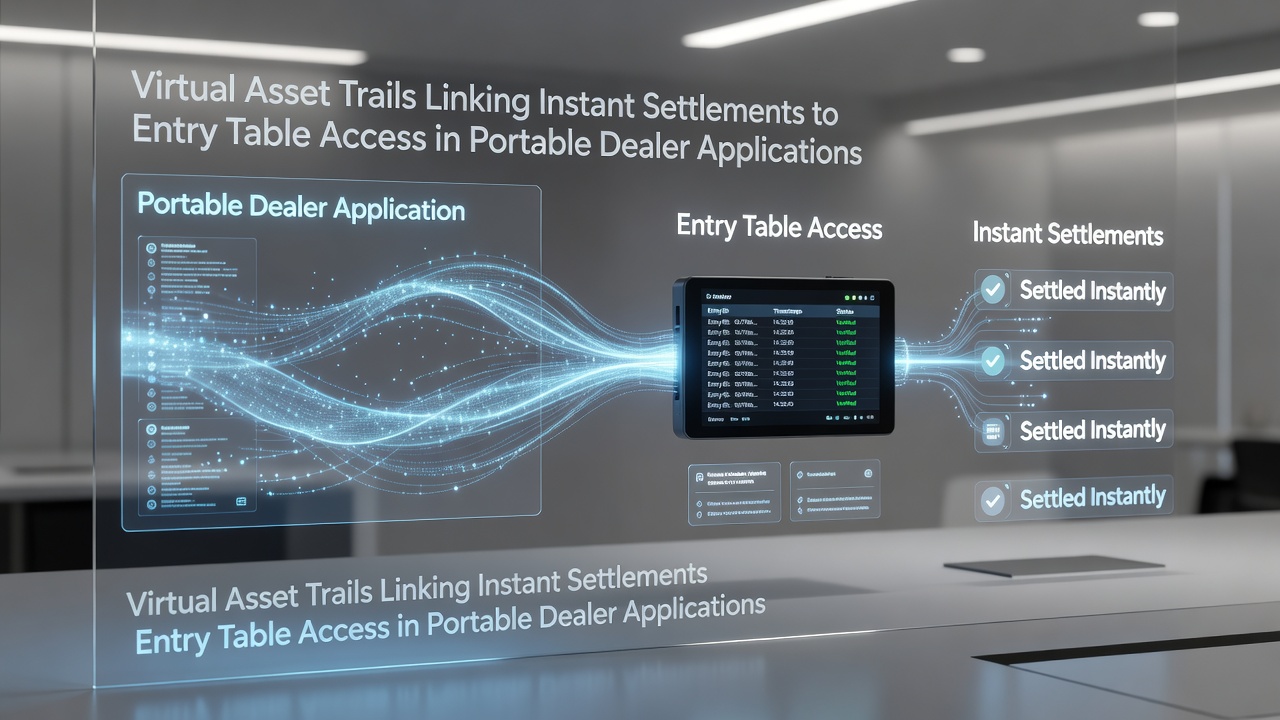
Virtual Asset Pathways Linking Rapid Settlements to Entry Points in Mobile Dealer Platforms
Virtual asset pathways have become central to how instant settlements connect with table entry mechanisms inside portable dealer applications, and data from multiple markets shows these systems rely on distributed ledger records that track crypto movements from initial deposits through to live game access. Observers note that mobile platforms integrate wallet APIs with gaming servers so that confirmed transactions on public blockchains trigger immediate credit to player accounts, which then unlocks entry to dealer tables without traditional banking delays.
Research indicates transaction speeds average under 60 seconds on networks like Solana and Ethereum layer-two solutions when users select instant settlement options in these apps. Figures from September 2026 reveal that over 40 percent of new accounts on leading portable dealer platforms completed their first table entry via cryptocurrency pathways, according to aggregated operator disclosures.
Transaction Trails and Ledger Visibility
Blockchain explorers allow regulators and platform operators to follow each virtual asset transfer from external wallets to internal ledgers, and this visibility links the settlement timestamp directly to the moment a player gains table access. Those who've studied transaction graphs find that entry rewards, often structured as small crypto bonuses, appear as distinct on-chain events that must clear before the application grants seating at live dealer tables. Studies from academic research groups show clustering algorithms can map these flows across multiple addresses while preserving user privacy through zero-knowledge techniques.
Portable dealer applications record every confirmation hash inside their backend systems, creating an auditable trail that connects the settlement event to the table entry action. Experts have observed that platforms using this method reduce chargeback rates because the immutable record leaves little room for disputes over deposit timing or amount.
Integration Patterns Across Mobile Networks
Developers embed smart contract calls that release table access tokens once a payment reaches a predetermined number of confirmations, and this process operates across iOS and Android environments without requiring separate verification steps. Data shows that applications serving markets in Australia and Canada adopted these patterns earlier than many European counterparts, with cross-border operators reporting higher volumes of same-day table entries tied to crypto settlements. Industry reports from the European Gaming and Betting Association highlight that standardized API frameworks now allow seamless handoff between payment processors and game servers.

Operators maintain internal databases that timestamp each ledger event alongside the corresponding table session start, which creates a complete record for compliance teams. Those monitoring September 2026 activity noted increased use of stablecoin rails because they minimize volatility during the brief window between settlement and table entry.
Regulatory and Security Considerations
Government agencies in multiple regions require operators to retain full transaction histories for at least five years, and portable dealer applications meet this standard by storing both on-chain hashes and off-chain metadata. Research from Canadian gaming authorities indicates that platforms with integrated blockchain monitoring detect suspicious patterns faster than those relying solely on traditional payment rails. Security teams use these trails to flag rapid deposit-withdrawal cycles that might indicate automated access attempts rather than genuine play.
Academic papers published in 2025 and 2026 document how multi-signature wallet requirements add another layer of verification before table entry occurs, reducing unauthorized access incidents across tested applications. Figures reveal that jurisdictions mandating such controls saw measurable declines in disputed settlements during the first half of 2026.
Future Developments in Asset Tracking
Emerging protocols aim to embed table access permissions directly into non-fungible tokens issued upon settlement, which would further tighten the link between virtual asset movement and live dealer participation. Industry organizations tracking these trends report pilot programs underway in Asia-Pacific markets where regulatory sandboxes permit real-time testing of token-based entry systems. Observers note that such developments could standardize how portable applications handle both rewards adn access across different device types.
Continued refinement of privacy-preserving analytics allows platforms to share compliance data with regulators without exposing full user histories, and early results from these methods appear in technical papers released during September 2026 conferences. The combination of rapid settlement visibility and controlled table entry continues to shape how portable dealer applications manage virtual asset flows.
Conclusion
Virtual asset trails provide the verifiable connection between instant settlements and table entry in portable dealer applications, supported by ledger data, regulatory requirements, and ongoing technical integration. Market figures from September 2026 confirm sustained adoption across multiple regions while maintaining auditability through established blockchain records.